
1. Plan Ahead & Get Your Business Structure Right
A solid business plan helps you focus on how your business will operate and gives it the best shot at success. It helps set realistic goals, secure funding, measure progress, and lay out your operational and financial needs. Start by:
- Writing your business plan (stay tuned - more on that in our next blog!)
- Choosing a business structure: sole proprietorship, partnership, or incorporation
- Doing market research tailored to Vancouver’s food scene
- Identifying your target customers (farmers’ markets, retail, catering, etc.)
Set up your business name and structure here:
- Name registration: BC Registries and Online Services
- Business registration: Start a B.C. based Business
2. Choose Your Kitchen Setup: Think Shared or Commissary
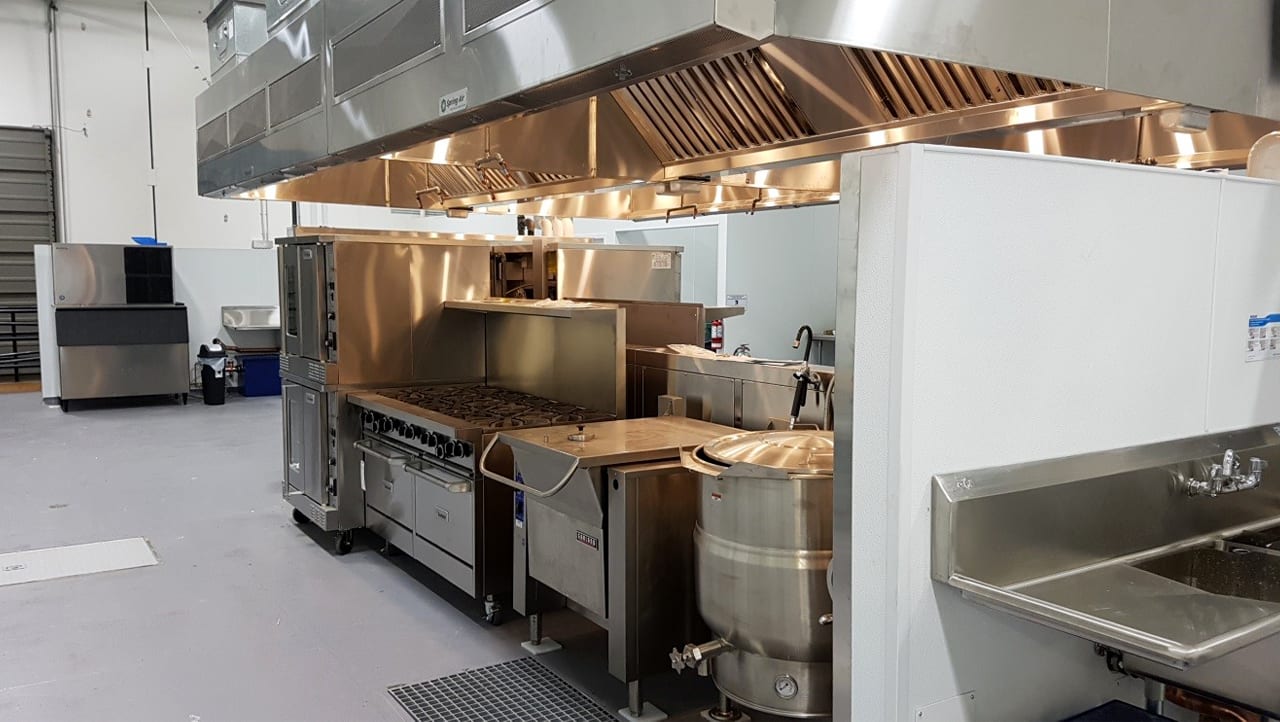
Instead of building your own, rent a commercial kitchen in Vancouver - it’s a cost-effective way to get started. A commissary kitchen or shared kitchen space gives you:
- Fully equipped kitchen workstations
- Industrial kitchen equipment (ovens, mixers, fridges)
- Storage space (dry, refrigerated, frozen)
- Commercial dishwashing station
These licensed kitchens help you meet Vancouver Coastal Health (VCH) or Fraser Health (FH) requirements without major startup costs.

3. Meet Local Permits & Health Requirements
Working in a commissary kitchen means you skip many of the complex steps like submitting floor plans or applying for building permits - the space is already licensed! You just need to focus on your menu and food safety plan. You’ll need:
- A Health Operating Permit from VCH or FH
- A business license from the City of Vancouver
- A menu, food safety plan, and FOODSAFE Level 1 certification
4. Make and Package Your Food - The Right Way
Once you’re approved, you can legally produce and package your food in a health-approved kitchen. Use your time efficiently and only pay for what you need. Here’s how commissary kitchens help you grow:
- Prep and cook in a licensed facility: Get more done with commercial-grade equipment.
- Increase your production: Scale up to meet demand as orders grow.
- Stay clean and compliant: Use commercial dishwashers and built-in sanitation systems.
- Scale your storage needs: Access additional dry, fridge, or freezer space as you expand.
5. Start Selling & Stay Compliant
With your approvals in place, you can now sell at farmers’ markets, retail stores, online, and directly to customers. Just make sure to:
- Keep your FOODSAFE certification up to date.
- Apply for event-specific permits (e.g., Temporary Event Permit) if needed.
- Be ready for regular inspections.
Ready to take the next step?
Book a tour at YVR Prep and join a commissary kitchen
built for growing food businesses.