
When people imagine running a food business, they often picture long days in the kitchen. While cooking is a big part of it, there’s much more happening behind the scenes. From planning ingredients to cleaning up at the end of the day, food entrepreneurs wear many hats, often all in the same week.
Whether you’re just starting out or already working from a shared kitchen, building a routine can make a huge difference.
Starting the Week: Planning and Getting Organized
For many food entrepreneurs, the week begins with planning. Mondays are often quieter kitchen days and are used to review orders, check emails, and map out what needs to be produced.
This is the time to confirm quantities, double-check recipes, and create a clear shopping list. Inventory is reviewed to see what ingredients, packaging, or labels need to be restocked.
Planning ahead helps avoid rush decisions later in the week and makes kitchen time more efficient. A well-planned start sets the tone for smoother production days and fewer surprises.

Midweek: Production in the Kitchen
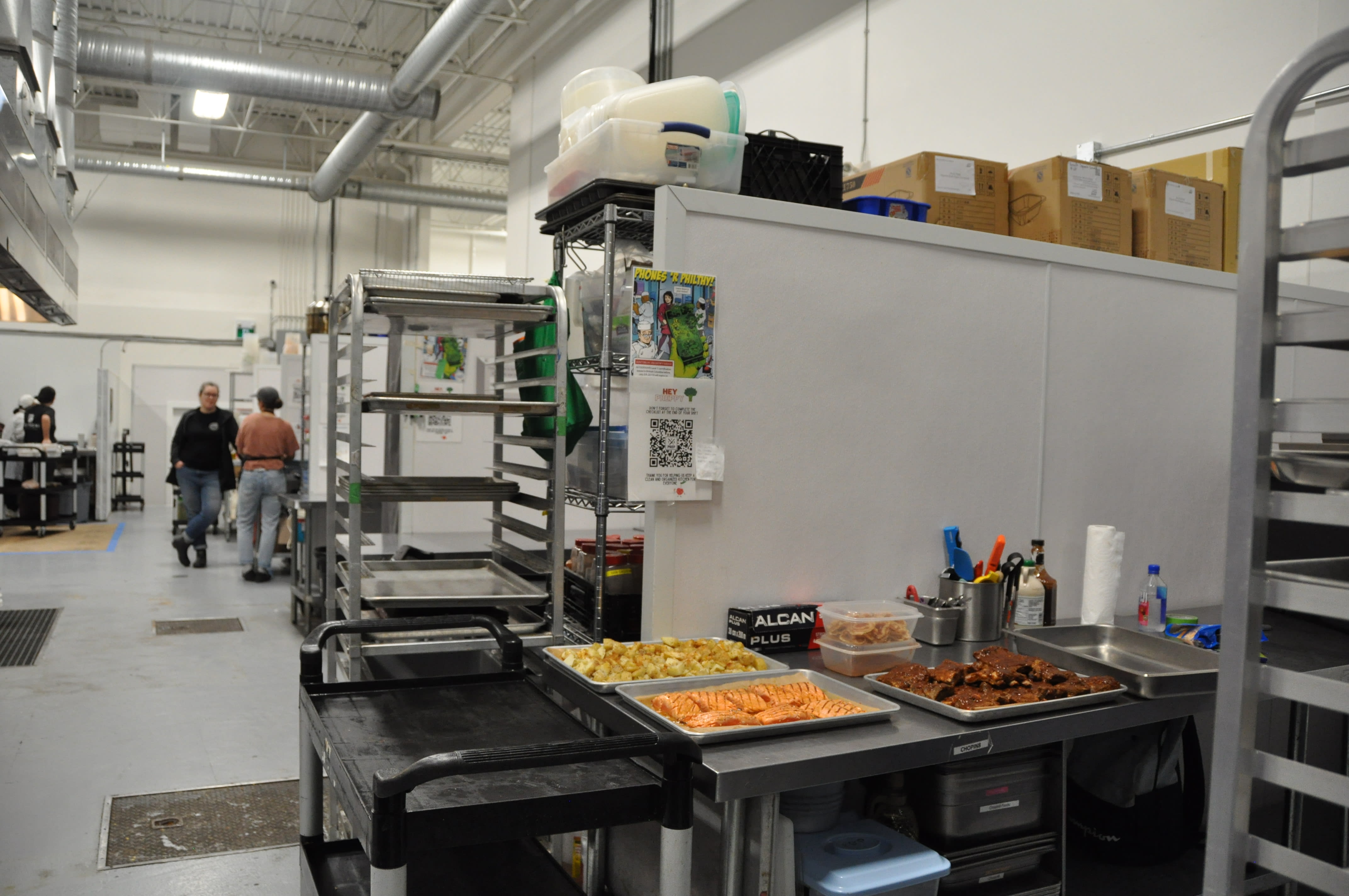
Midweek is when most of the hands-on work happens. These are the days booked in a licensed commissary kitchen or shared kitchen space for focused food production. Ingredients are prepped, recipes are scaled up, and products are made in larger batches using commercial equipment.
Having access to proper kitchen workstations, ovens, mixers, and prep space makes a big difference in consistency and speed. Once products are ready, they’re packaged, labeled, and placed into dry, refrigerated, or frozen storage.
These production days are busy, but having a routine helps keep everything on track.
Late Week: Sales, Packing, and Deliveries
As the week progresses, attention shifts from making food to moving it. Late-week tasks often include packing orders for cafés, retailers, or farmers’ markets. Some food entrepreneurs spend this time delivering products or preparing for weekend events.
Admin tasks also pile up: invoices are sent, expenses are tracked, and upcoming bookings are reviewed. Marketing doesn’t stop either. Posting on social media, answering customer messages, and planning future promotions all fit into this part of the week.
While less hands-on than cooking, these tasks are essential to keeping the business running.


Cleaning, Resetting, and Resting
Before the week wraps up, there’s always cleanup. Kitchen stations are cleaned and sanitized, equipment is washed, and storage areas are organized. This step is crucial for food safety and for starting the next week fresh.
Just as important is taking time to rest. Running a food business can be physically and mentally demanding, and skipping rest often leads to burnout. Building a routine that includes downtime helps entrepreneurs stay motivated and consistent.
A clear end to the week makes it easier to start again with energy.
From Recipe to Routine
At the beginning, no two weeks look the same. Over time, patterns form and routines develop. Tasks become more familiar, planning becomes faster, and confidence grows.
Many food entrepreneurs find that working from a commercial kitchen for rent helps bring structure to their week. With the right food preparation space, storage, and equipment, the focus shifts from scrambling to producing with purpose.
Routine doesn’t remove creativity, it creates space for it.
Final Thoughts
Every successful food business is built one week at a time. Behind each product is planning, effort, and a lot of learning along the way. With a steady routine and a professional kitchen environment, those busy weeks become manageable and rewarding.
Ready to take the next step?
Book a tour at YVR Prep and join a commissary kitchen
built for growing food businesses.