
If you’re starting a food business, figuring out labels can feel overwhelming,
especially nutrition panels.
The good news? Nutrition facts are not required by Fraser Health for food approval or commissary kitchen production. You don’t need them to sell at farmers’ markets, online to customers, or directly to people.
However, there are times when a nutritional facts table is required,
and it’s important to understand the difference.
When Nutrition Facts
Are Not Required
You do not need a nutritional facts table when you’re selling:
- At farmers’ markets
- Directly to customers (online or in person)
- As part of a service (e.g., catered boxes where you name ingredients)
In these cases, you simply need a list of ingredients and clear allergen information. That’s enough for health approval and safe service as regulated by your local health authority.

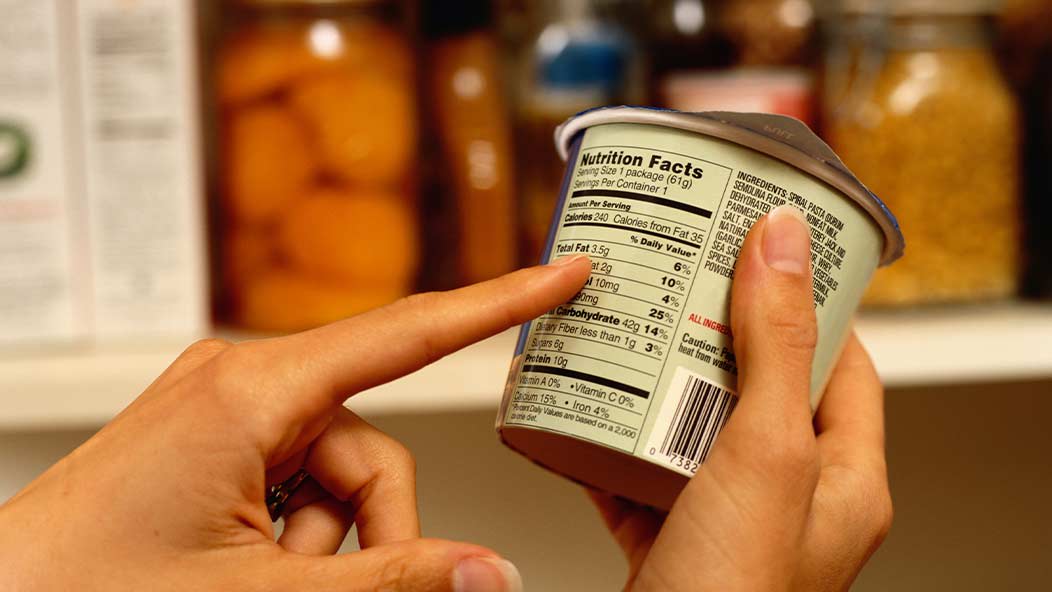
When Nutrition Facts
Are Required
You need a full nutritional facts table when you plan to sell your product in:
- Grocery stores
- Specialty food shops
- Retail chains
- Online marketplaces with retail requirements
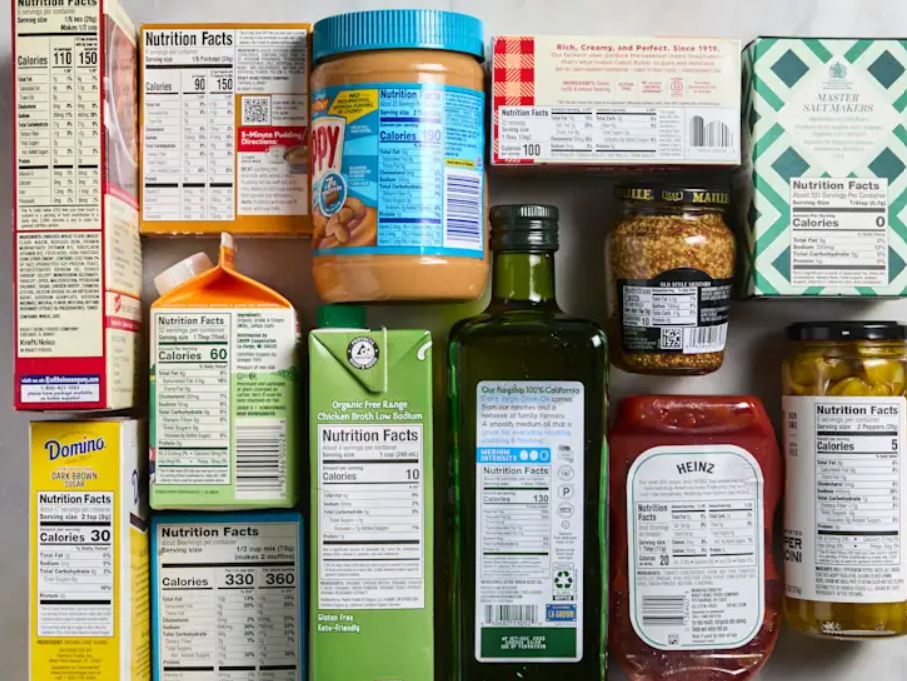
In Canada, the Canadian Food Inspection Agency (CFIA) is the authority that reviews and enforces label requirements for retail food products. Prepackaged products sold into retail channels must include a Nutrition Facts Table (NFT) along with:
- Ingredients list
- All priority allergens (e.g., peanuts, soy, milk, eggs)
- Name & place of business
- Net quantity
- Bilingual (English/French) labeling where required
You can read the official guidelines on CFIA’s site here:
📌 Information within the Nutrition Facts table
Can You Create Your Own
Nutrition Facts Table?
Yes! And many small food businesses start this way!
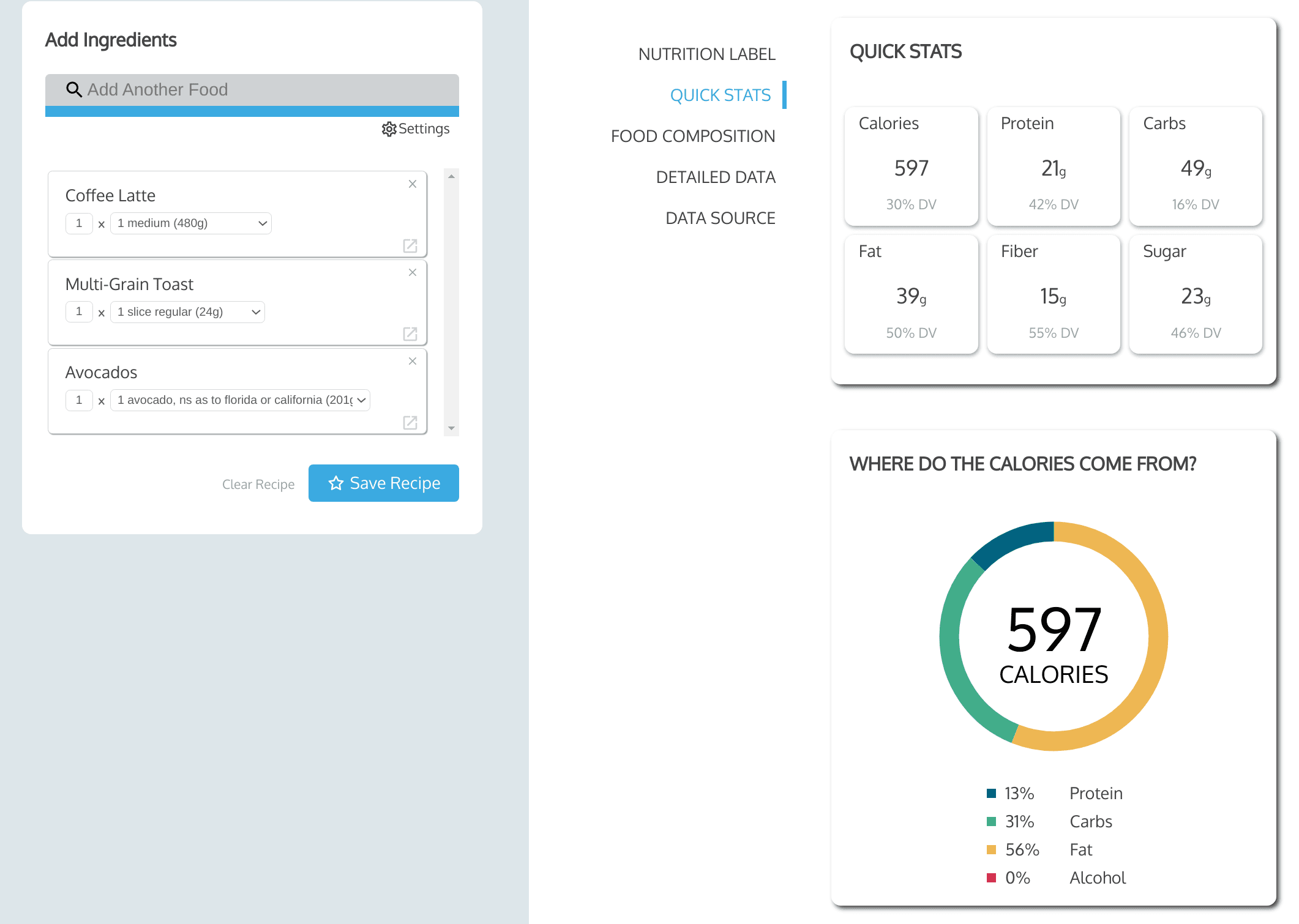
If your product is simple and made from a standard recipe, you can calculate a nutrition table using:
- Online nutrition analysis tools
- Ingredient databases
- Software that totals values per serving
Just be honest and accurate. Homemade nutrition calculations are acceptable for early retail stages in some cases, but bigger grocery chains and major retailers may require a certified nutritional analysis.
Allergens Still Matter, Always
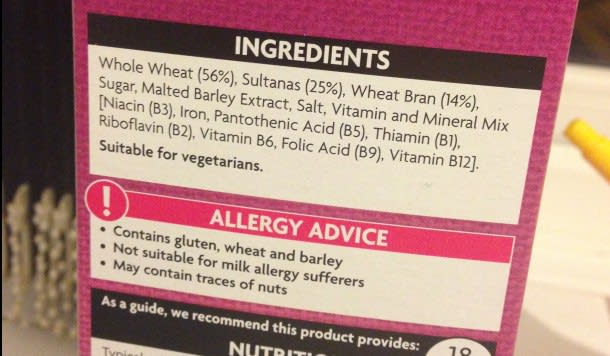
Even when nutrition facts aren’t required, you must clearly list all priority allergens on your label. This includes:
|
|
This requirement is about customer safety and applies whether you’re selling at the farmers’ market or a grocery store.
Certified Nutrition Facts:
What It Means
A certified nutrition label is created using lab analysis or licensed software from a nutrition professional. This service comes with a cost, usually a few hundred dollars or more, because it requires exact testing and verification.
Certified labels are often required for:
- Major grocery distribution
- National retail chains
- Export products
- Listings with detailed compliance checks
Final Thoughts
Selling directly to customers - you do not need a nutrition facts table,
but you do need clear ingredients and allergen labeling.
Planning to enter retail stores - you do need certified nutrition facts,
and full labeling compliance with CFIA rules.
Start simple, stay accurate, and scale your labeling as your sales channels grow.
Ready to take the next step?
Book a tour at YVR Prep and join a commissary kitchen
built for growing food businesses.