
Why Allergen Labeling Matters
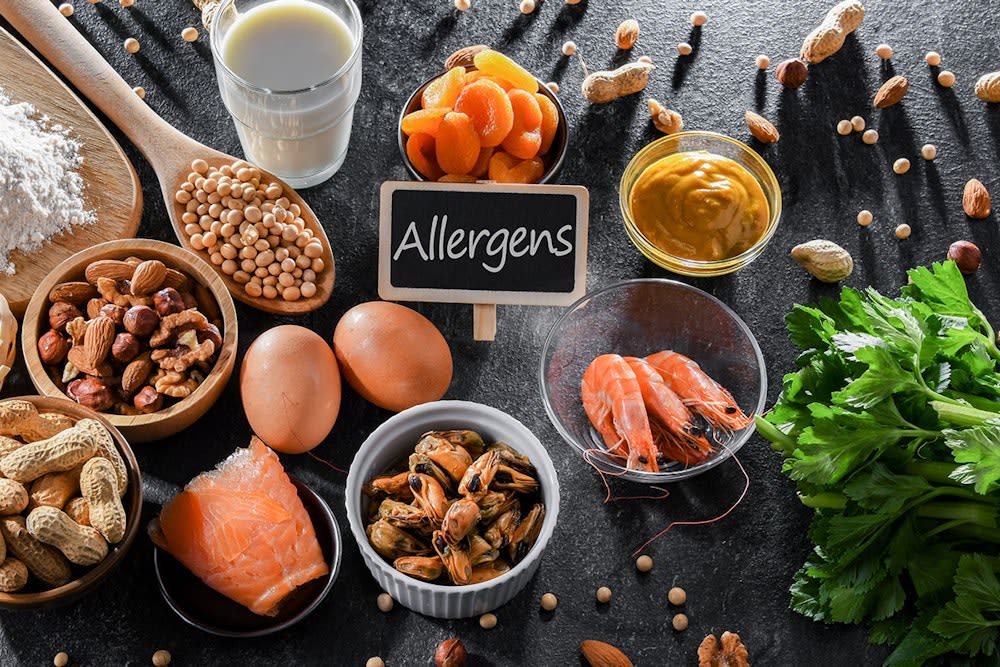
Food allergies can cause severe reactions, and clear labeling helps customers make safe choices. In Canada, certain foods are considered priority allergens and must always be clearly declared on food labels when present. These include:
|
|
|
Health Canada identifies these as the foods most commonly linked to allergic reactions. Because of the risks involved, any prepackaged product containing these allergens must clearly declare them on the label.
How to Label Allergens Correctly
When your product contains an allergen, it must be declared clearly on the label. In Canada, there are two accepted ways to do this.
1. In the ingredient list
The allergen can appear directly in the ingredient list using its common name.
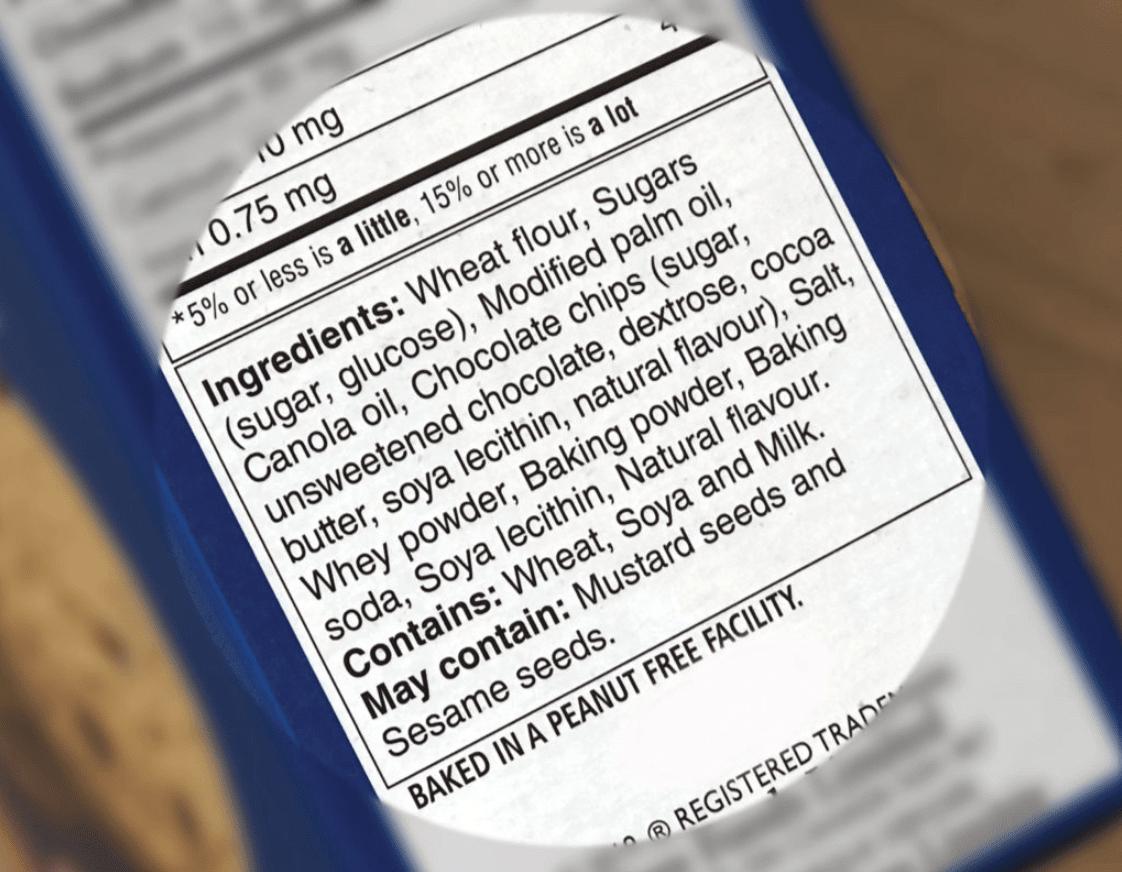
Ingredients: Flour (wheat), butter (milk), sugar, eggs, vanilla
2. In a “Contains” statement
You can also include a clear statement immediately after the ingredient list.
Ingredients: Flour, butter, sugar, eggs, vanilla
Contains: Wheat, Milk, Eggs
If a “Contains” statement is used, it must list all priority allergens present in the product, even if they already appear in the ingredient list. The goal is simple: customers should be able to identify allergens quickly and easily.
Important: Allergens Must Be Declared Even in Complex Ingredients
Sometimes allergens appear inside other ingredients. For example:
BBQ sauce → seasoning → soy sauce → soy
Even if the allergen is hidden several levels deep in a recipe, it still must be declared on the label so customers know it is present.
What About Cross-Contamination?
Sometimes allergens are not ingredients but could appear due to shared equipment or production spaces.
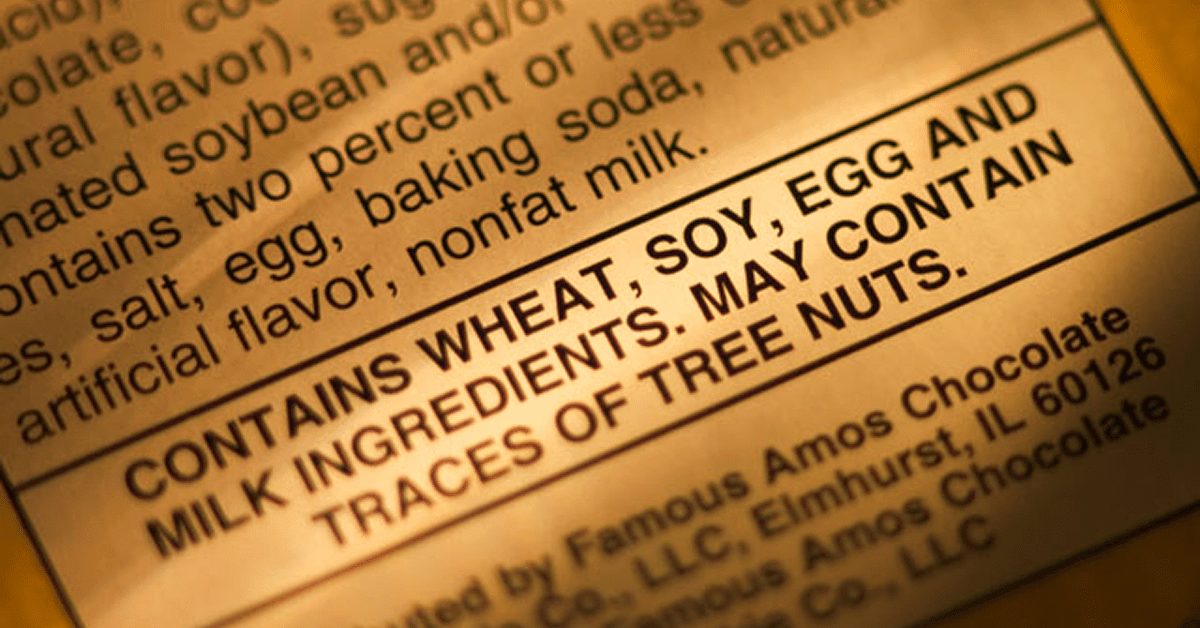
Health Canada recommends using the wording “May contain [allergen]” when cross-contamination cannot be completely avoided. This helps inform customers about possible risks without implying the allergen is intentionally part of the recipe.
In these cases, a precautionary statement can be used, such as:
- May contain peanuts
- May contain tree nuts
A Simple Rule for Food Entrepreneurs
Whether you sell at farmers’ markets, online, or in retail stores,
the safest approach is simple - always list ingredients clearly and highlight any allergens.
Good labeling protects: your customers, your brand, and your business.
Mistakes in allergen labeling can lead to product recalls or regulatory action, because undeclared allergens violate Canadian food laws.
Ready to take the next step?
Book a tour at YVR Prep and join a commissary kitchen
built for growing food businesses.