
When you start a food business, one of the first questions that comes up is: How long will my product last?
Shelf life is not just about quality, it’s about food safety. Setting the right shelf life helps protect your customers and your business. The good news is that you don’t need complicated tools to get started. You just need a clear understanding of a few key factors.
What Is Shelf Life?
Shelf life is the amount of time your product stays safe to eat and maintains its quality when stored properly. This includes:
- Taste and texture
- Appearance
- Freshness
- Most importantly, safety
Even if a product still looks or smells okay, it may no longer be safe to consume. That’s why shelf life should always be approached carefully.

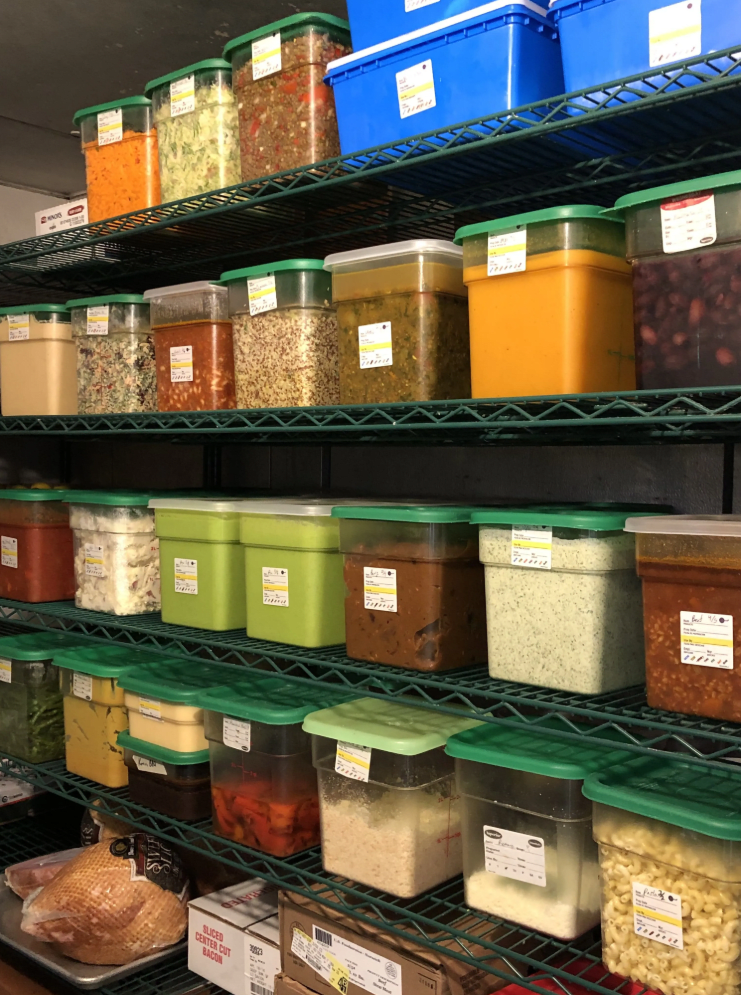
What Affects Shelf Life?
Different foods last for different amounts of time. Shelf life depends on a few key things:
- Moisture - Foods with more water (like sauces or cooked meals) spoil faster
- Ingredients - Dairy, meat, and eggs usually shorten shelf life
- Storage conditions - Refrigerated, frozen, or room temperature
- Packaging - Airtight packaging can help extend shelf life
- Handling - Clean preparation reduces contamination
For example, a dry cookie may last days or weeks, while a fresh dip or cooked dish may only last a few days in the fridge.
Can You Decide Shelf Life Yourself?
In many cases yes, especially when you’re starting out and selling directly to customers (like at farmers’ markets or online). However, your decision must be reasonable and based on safe practices, not guesswork.
A simple way to start:
- Store your product under normal conditions
- Check it daily for changes in smell, texture, or appearance
- Set a conservative (shorter) shelf life to stay on the safe side
- When in doubt, it’s always better to choose a shorter shelf life.
When Do You Need More Formal Testing?
If you plan to:
- Sell in retail stores
- Distribute your product more widely
- Extend shelf life beyond a few days
… you may need shelf life validation or testing.
This can involve:
- Lab testing
- Food safety assessments
- Documented proof of stability
- Retailers may ask for this to ensure your product is safe for longer storage periods.

Labeling and Storage Still Matter
No matter where you sell your product, always:
- Include the "manufacture date" for products that are not shelf-stable or the "best before" date for shelf-stable products (such as canned goods, dry foods, and certain frozen foods)
- Provide storage instructions (e.g., keep refrigerated)
- Keep your production and storage conditions consistent
This helps your customers handle your product safely and builds trust in your brand.
Common Mistakes to Avoid
- Guessing shelf life without testing or observation
- Extending shelf life to reduce waste
- Ignoring temperature control
- Assuming vacuum sealing or packaging makes food last longer safely
Shelf life should never be based on convenience, it should always be based on safety.
Final Thought
Understanding shelf life is one of the most important steps in building a food business.
It doesn’t need to be complicated, but it does need to be thoughtful and careful.
Start simple, stay consistent, and adjust as your business grows.
Ready to take the next step?
Book a tour at YVR Prep and join a commissary kitchen
built for growing food businesses.