
If you're running a food business in the Greater Vancouver area, whether you're a caterer, a baker, a meal prep company, or a food startup, operating out of a licensed commercial kitchen for rent in Vancouver BC means your kitchen will be subject to health inspections.
Knowing what inspectors look for can help you stay compliant, avoid surprises, and focus on what you do best: making great food.
Which Health Authority Covers Your Kitchen?
Before anything else, it's important to know that requirements depend on where your kitchen is located.
If you're operating in the City of Vancouver, Richmond, North Shore, or the Sea-to-Sky Corridor, you fall under Vancouver Coastal Health (VCH). If your commercial kitchen for rent is located in Burnaby, Surrey, Langley, Coquitlam, Abbotsford, or other Fraser Valley communities, you fall under Fraser Health Authority (FHA).
Both authorities enforce BC's Food Premises Regulation and Food Safety Act, but each has its own application process, forms, and area-specific requirements. When renting space in a commissary kitchen, it's essential to know which authority oversees your location.

The Core Areas Inspectors Evaluate
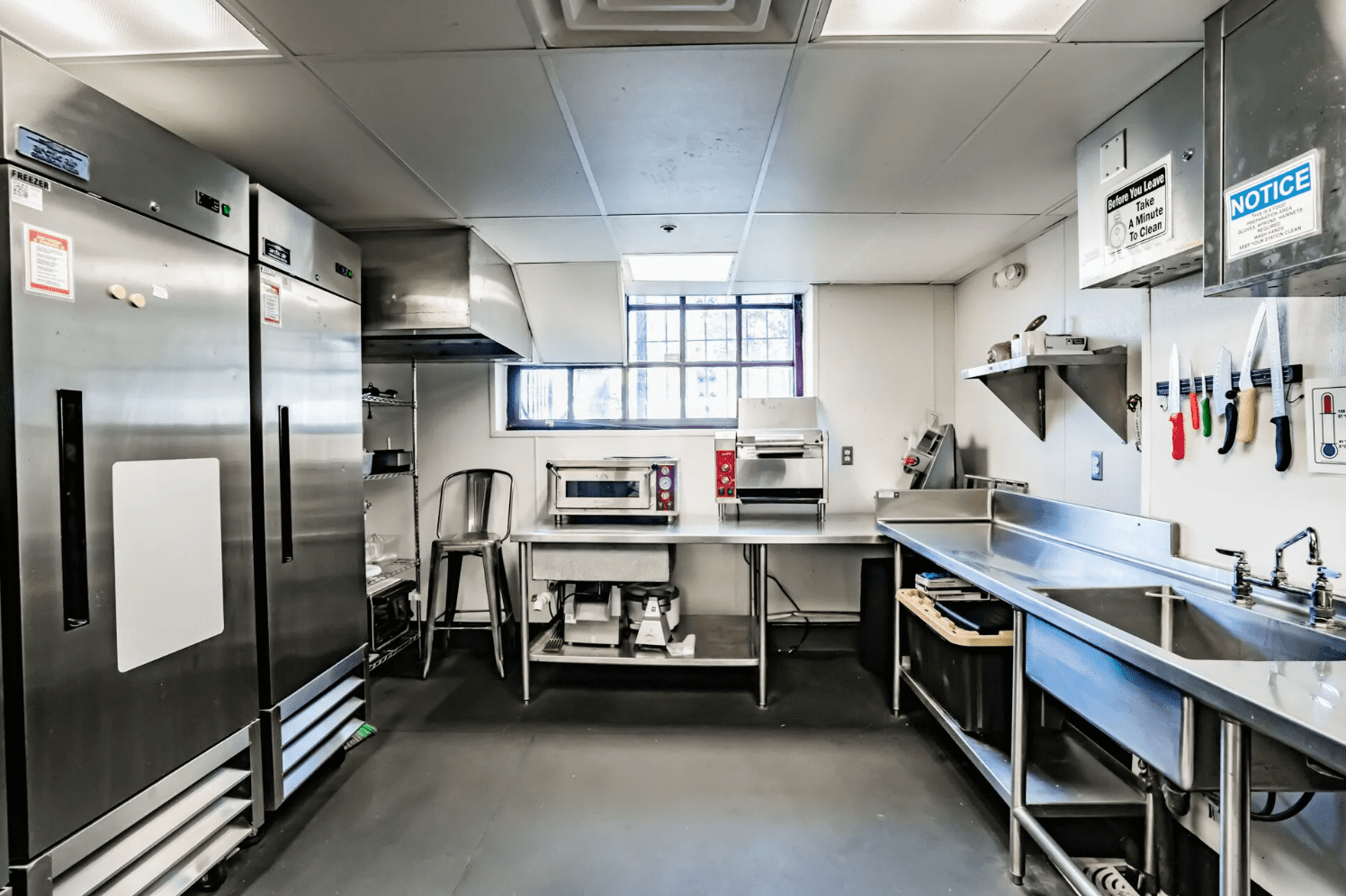
Regardless of which health authority covers your Vancouver commissary kitchen, Environmental Health Officers (EHOs) tend to focus on the same core areas during routine inspections.
1. Food Storage and Temperature Control
Inspectors assess food storage conditions and temperature control as a primary concern. This includes checking that cold storage units maintain safe temperatures, that raw and ready-to-eat foods are properly separated, and that dry storage is clean, organized, and pest-free. Also, everything must stay off the ground - no products or items should be in direct contact with the floor in any storage space. It is very important to label all of your products clearly and store them in designated areas.
All food and equipment used for your food premises operation must be stored at the commissary. Home food storage and production is not permitted.
2. Cleanliness of Equipment and Food Contact Surfaces
Inspections determine whether regulatory requirements are being met in general food handling, maintenance, and sanitation of the premises. Inspectors will check that surfaces, cutting boards, prep tables, ovens, and mixers are clean and properly sanitized.
Also, they always verify the availability and concentration of sanitizer. Each company owner is responsible for having sanitizer test strips available to confirm that the concentration is correct. Additionally, they check the dishwasher temperature and functionality, the availability of hot water in all sinks, handwashing soap and towels.
3. Food Safety Plan
All operators of food premises in BC are required to have a food safety plan - a set of written procedures that help eliminate, prevent, or reduce food safety hazards. Whether you're renting a catering kitchen or a full food production space, you need this plan documented, approved and available for review.
4. FOODSAFE Certification
BC's Food Safety Act requires all operators of food service establishments to hold a valid FOODSAFE or equivalent food handler certificate. If you're renting a commercial kitchen, this certification is your personal responsibility, it doesn't transfer from the kitchen owner to you.
What Happens After an Inspection?
Each inspection visit generates a report provided to the operator, either confirming compliance with regulations or listing deficiencies that need to be addressed. Repeat violations can escalate, and EHOs have the authority to close a business if it doesn't meet regulatory requirements. Those found in violation of the BC Food Safety Act can face fines of up to $25,000 per day on a first conviction.
Final Thoughts
Health inspections aren't something to fear. Whether you fall under Fraser Health or Vancouver Coastal Health, the expectations come down to the same fundamentals: safe food handling, clean equipment, proper documentation, and certified staff.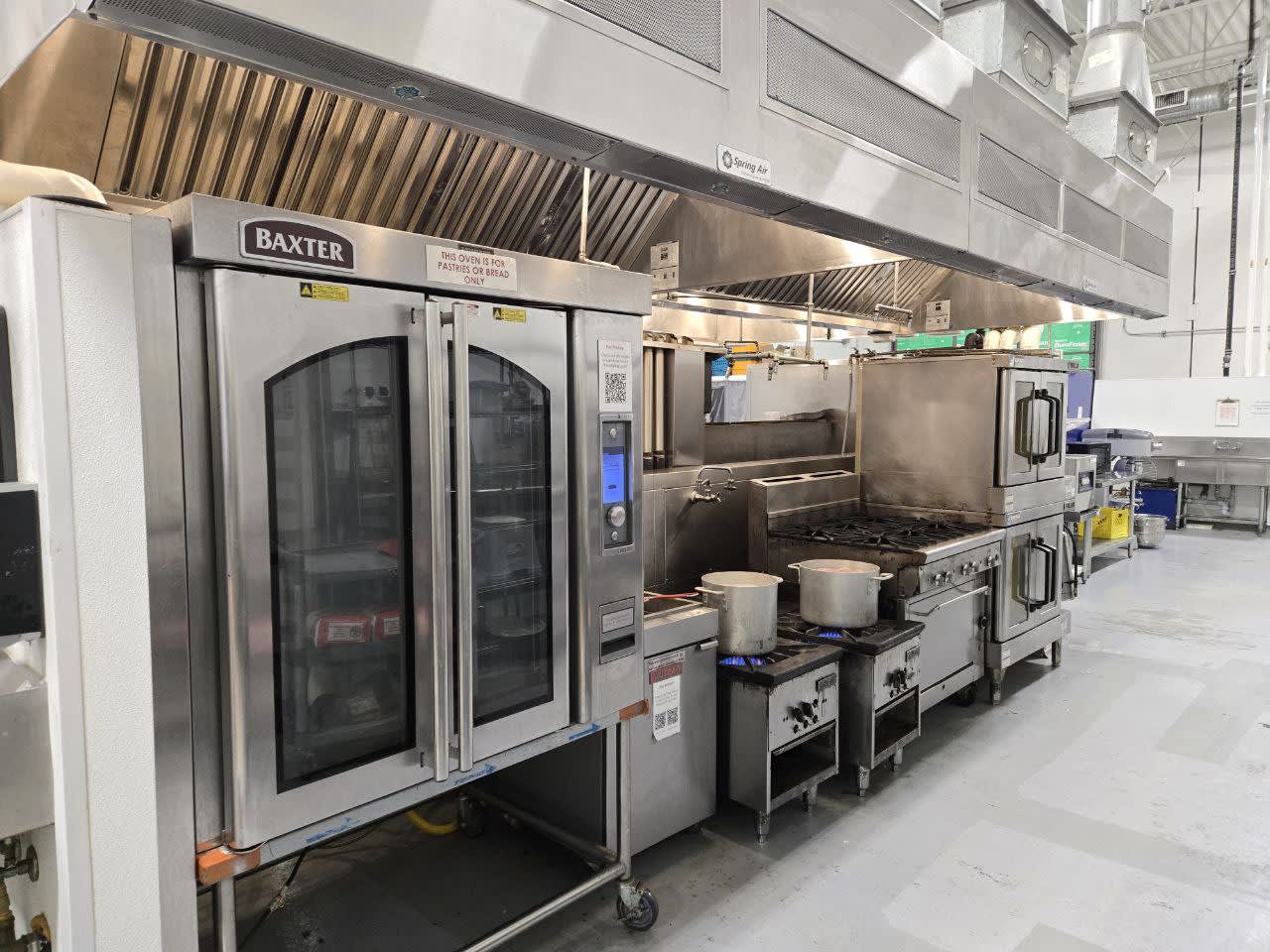
Ready to take the next step?
Book a tour at YVR Prep and join a commissary kitchen
built for growing food businesses.