
Why Market Research Matters for Food Entrepreneurs
Whether you're a baker, a caterer, or launching a packaged food line, knowing your market helps you make smarter decisions, from pricing and packaging to where and how you sell. The good news is that you don't need a big budget to get started.
Step 1: Define Your Niche and Customer
Start by getting specific about what you're selling and who you're selling it to. Are you targeting busy families who want healthy meal prep? Office catering clients? Specialty dietary markets like vegan or gluten-free?
The more clearly you define your ideal customer, the easier it becomes to identify where your product fits and who else is already serving that audience.


Step 2: Research Your Competitors
This is where most food entrepreneurs move too quickly. Competitor research isn't just about knowing who else exists. It's about understanding how they operate, what they charge, and where the gaps are.
Here's where to look:
- Google Search - Search terms like "meal prep delivery Vancouver," "catering company Vancouver," or "packaged food Vancouver." Note who ranks at the top and what they offer.
- Instagram and Facebook - Social media is where many small food businesses live. Look at who's posting, how often, and what kind of engagement they're getting.
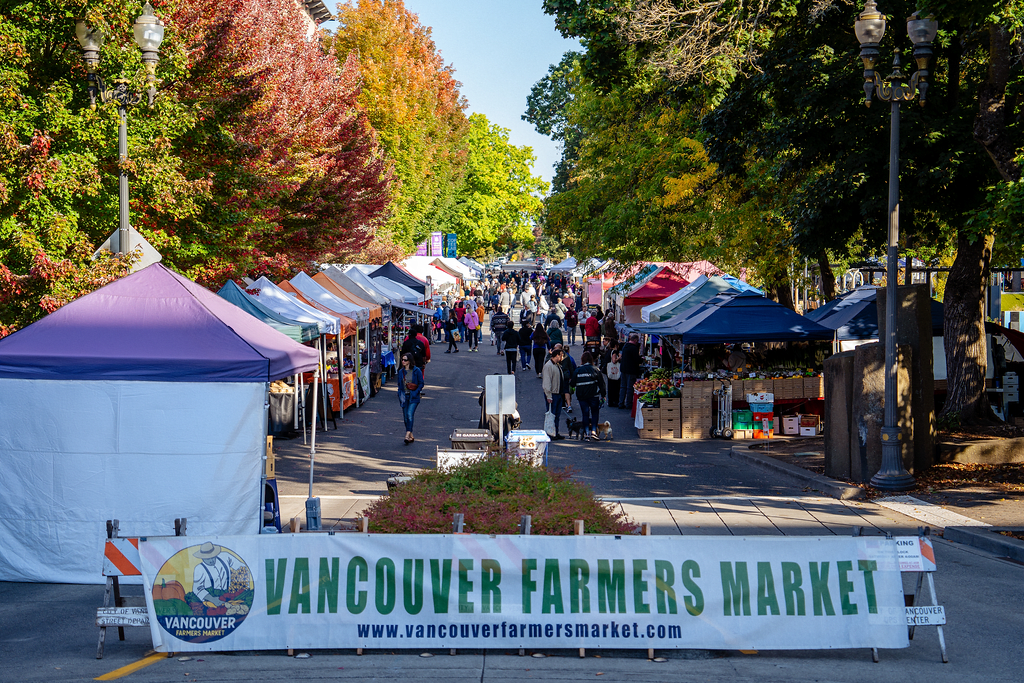
- Farmers Markets and Local Retailers - Walk the Vancouver Farmers Market or browse shelves at local grocery stores. What products are already there? What's missing?
- Yelp and Google Reviews - Customer reviews reveal what people love and hate about existing options. That's your opportunity.
Step 3: Look at Pricing and Positioning
Once you know who your competitors are, dig into how they price and present themselves. Are they positioning as premium or budget-friendly? Do they emphasize local ingredients, convenience, or a specific cuisine?
This helps you figure out where your brand fits. You don't have to be the cheapest. You have to be the most relevant to your target customer.
Step 4: Identify the Gaps
The best market research question you can ask is: What is nobody doing well yet? Maybe there's no reliable food delivery service focused on allergen-free meals in your area. Maybe caterers in Vancouver aren't serving a specific cultural cuisine. That gap is your opportunity.

.
Step 5: Validate Before You Scale
Before committing to a long-term commercial kitchen rental, test your concept. Sell at a pop-up, take pre-orders, or offer a small batch to friends and early customers. Real feedback from real people is the most valuable market research you can do.
Renting a shared kitchen space on a flexible, temporary basis is a practical way to validate your idea without overcommitting on overhead. It keeps your startup costs low while you find your footing.
Final Thoughts
Market research doesn't have to be complicated. It just has to be honest. Know your customer, understand your competitors, and find the space in the market where your food business naturally stands out.
The Vancouver food scene is competitive but full of opportunity, especially for entrepreneurs who do their homework first. And when you're ready to move from idea to production, a commissary kitchen in Vancouver gives you the licensed, professional food preparation space you need to bring that vision to life.
Ready to take the next step?
Book a tour at YVR Prep and join a commissary kitchen
built for growing food businesses.