
Resources to Grow Your Food Business
How to Know When It’s Time for a Commercial Kitchen
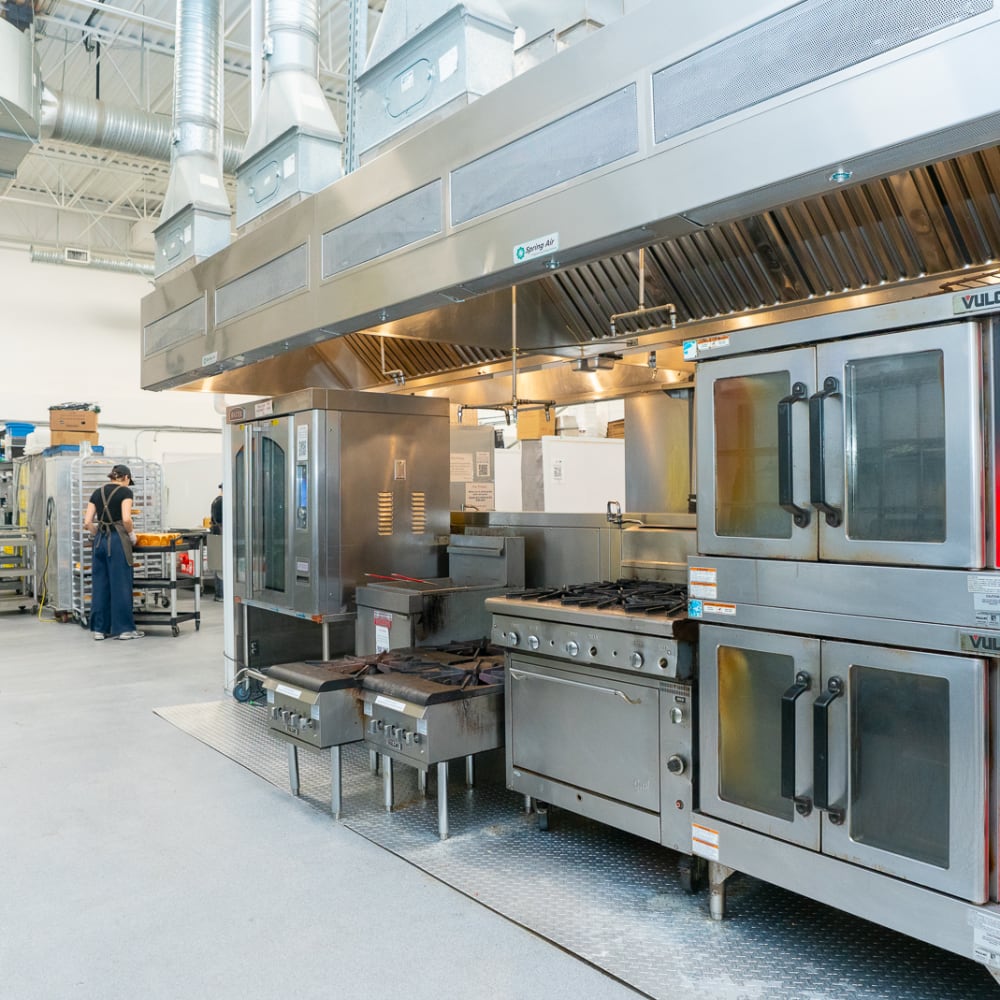
As your orders grow and production becomes regular, a home kitchen may no longer be enough. Health requirements and consistency start to matter more.
This section explains when to move into a licensed commercial kitchen and what to look for in a space that supports steady, professional growth.
-
Scaling Up: When and How to Grow from Home Kitchen to Commercial Kitchen
Growing from a home kitchen to a licensed commercial kitchen is an important step. This article explains when demand, regulations, and production volume make it necessary to move into a professional space — and how to prepare for a smooth transition.
-
How to choose the right commissary kitchen that will work for you
Not all commercial kitchens are the same. This guide explains what to look for: licensing, equipment, booking systems, storage, location, and operational structure. So you can choose a commissary kitchen that supports your production needs and long-term growth.
-
What Are The Benefits of Using a Commissary Kitchen
Learn how a licensed commissary kitchen can reduce costs, improve efficiency, and help you meet food safety requirements. This article explains why many food businesses in Vancouver choose a shared commercial kitchen instead of building their own facility.
Getting Started in the Food Industry
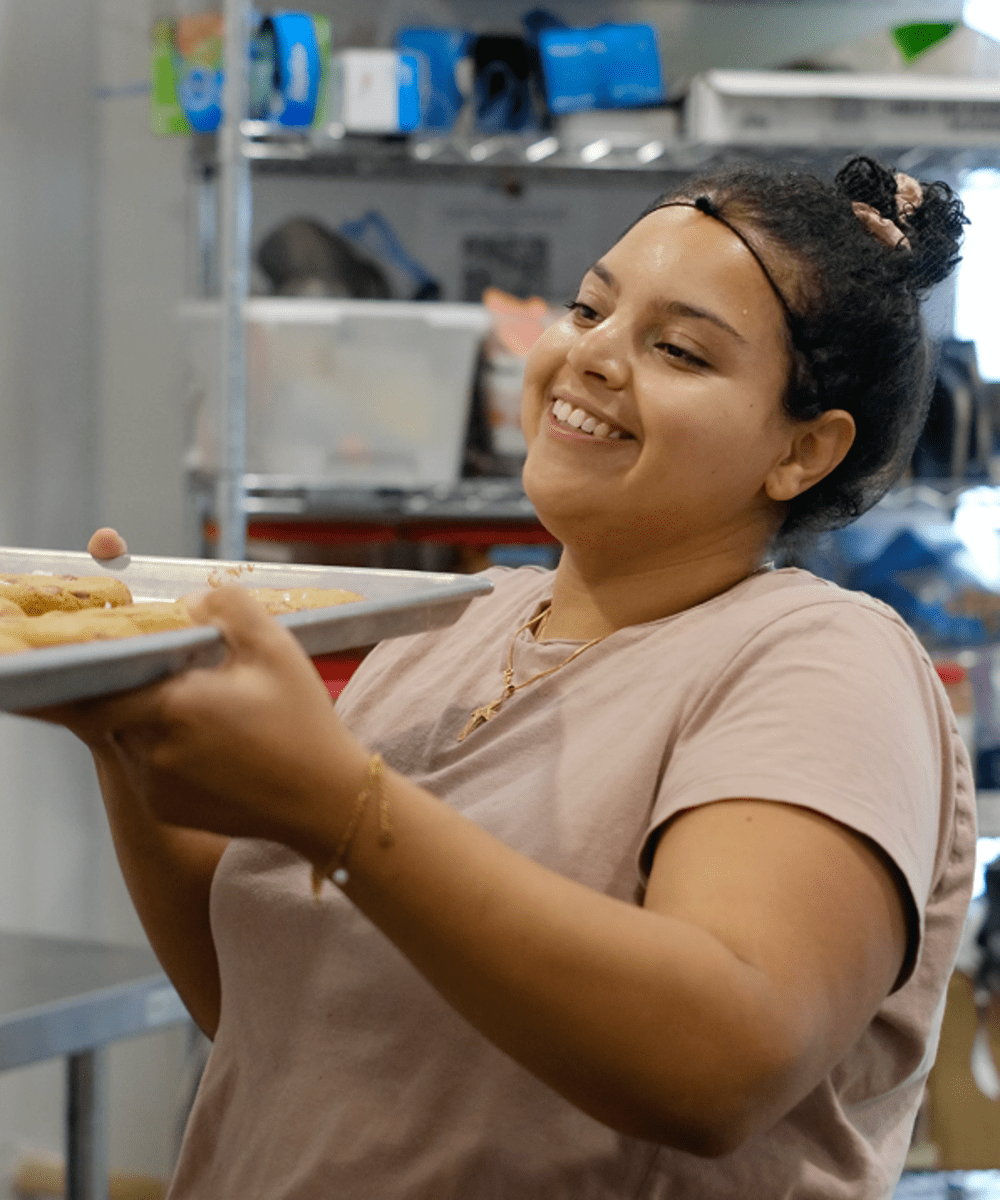
Starting a food business can feel overwhelming, but it becomes manageable when you focus on the right steps. Build a simple business plan, understand your costs, price for profit, and choose the right place to produce your food. Learn where you can sell, what approvals you need, and how to avoid common early mistakes.
-
How to Start a Food Business in Vancouver
A complete guide to starting a food business in Vancouver. Learn about business registration, Food Safe certification, Fraser Health approval requirements, and how working from a licensed commissary kitchen can simplify the process.
-
Common Mistakes New Food Entrepreneurs Make
Many new food businesses struggle with pricing, regulatory approval, and production planning. This article outlines common startup mistakes and how to avoid delays, unexpected costs, and operational stress.
-
How To Write A Business Plan
Build a clear business plan for your food startup. This guide explains how to define your product, target market, pricing structure, and production plan so you can grow strategically and avoid early confusion.
-
How to Price Your Food Products for Profit (Without Losing Customers)
This article explains how to find the right balance between customer expectations and business growth. Learn how to approach pricing with clarity and confidence so your business can remain both competitive and profitable.
-
Where to Sell Your Food Products in Vancouver
Explore your sales options, from farmers markets and retail stores to wholesale and specialty shops. Understand the pros and challenges of each channel so you can choose the best path for your product and growth stage.
Food Safety + Licensing Basics
The essentials — minus the overwhelm.
Step-By-Step Guidance
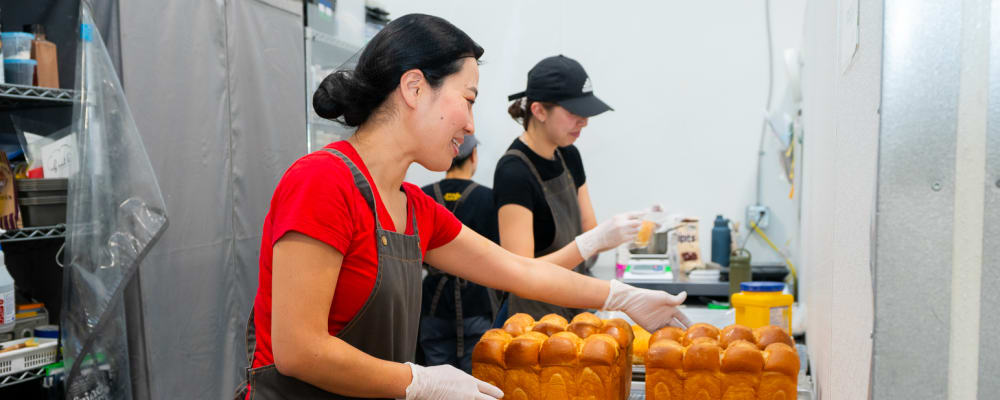
Before you make your first batch for sale, there are a few non-negotiables to take care of. Getting the right documents and training in place early isn't just a legal requirement, it protects your customers, your business, and your ability to keep operating. The good news: it's more straightforward than it sounds.
There are three steps required before you can start producing out of a commissary kitchen.
-
Step 1
The first is your Food Safe Level 1 certificate. This is BC's foundational food safety training, and it's mandatory for anyone handling food for public sale. The course covers safe food handling, storage, and sanitation. Practical knowledge you'll actually use every day in the kitchen.
-
Step 2
The second is registering your business name with the Province of BC. Even if you're operating as a sole proprietor, your business name needs to be officially registered before you can start trading under it.
-
Step 3
The third is registering your business through BC Registry. This is what makes your business a legal entity and it's a prerequisite for almost everything that comes next, from opening a business bank account to applying for permits.
Health Authority Approval
Once those three steps are in place, the next stage is Health Authority approval and a business license. Depending on where you're located and which kitchen you work out of, this means working with either Fraser Health or Vancouver Coastal Health. Each health authority has its own process, and each city has its own business licensing requirements, so the exact steps will vary.
This is where it helps to ask questions early. At YVR Prep, we're familiar with the local process and happy to point you in the right direction so you're not piecing it together on your own.
Getting licensed isn't the most glamorous part of starting a food business. But doing it right from the start means you can focus on what you actually came here to do, make great food and grow a business you're proud of.
Know Your Numbers from Day One
Before you fall in love with your price, make sure you understand your costs, because knowing your numbers early is what turns a great product into a sustainable business.
Why costing isn't just an accounting task. It's a survival skill
Most food businesses start the same way: a great product, early encouragement, and a price based on what feels right. That works until costs rise and you’re no longer sure if you’re making money or just staying busy.
The fix is simple but important: know your true cost per unit early. That means accounting for not just ingredients, but packaging, labour, time, and overhead. Miss those, and your margins shrink or disappear.
As you grow, costs shift. What works at 50 units may not at 500. Tracking your numbers from the start helps you catch changes early, price confidently, and make smarter decisions about what to scale or adjust.
Bake Buddy
Bake Buddy is a costing app built specifically for small food businesses. It helps you calculate your true cost per unit, manage your recipes, and understand your margins clearly, without needing a background in accounting.
And as a YVR Prep member, you get 25% off all Bake Buddy paid plans, making it one of the easiest investments you can make in your business right out of the gate.
Good food deserves a business model that works. Start with the numbers, and the rest gets a whole lot easier.
Packaging, Labeling & Retail Basics
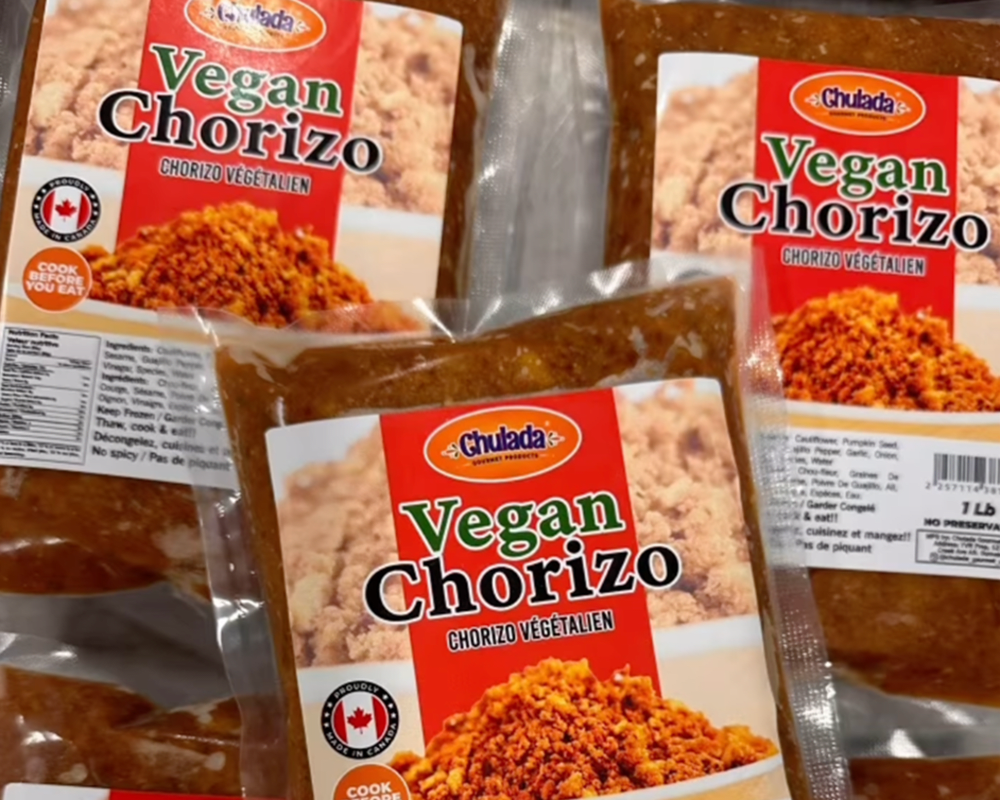
Packaging and labeling are more than just what your product looks like on the shelf, they affect safety, compliance, and how customers see your brand. Whether you’re working on your label design or choosing the right packaging method, this section gives you practical guidance that fits the rules and strengthens your product’s presence in the market.
-
Branding and Packaging Tips for Small Food Businesses
Good packaging and clear branding help your product stand out on the shelf and make a strong first impression with customers. This article covers practical tips on choosing colours, fonts, label layout, and messaging that match your product and help attract buyers. It also explains why telling your story and testing designs early can make a big difference.
-
Vacuum Packaging (Vac Pack): What You Need to Know About Food Safety and Restrictions
Vacuum packaging can extend shelf life and protect food, but it also comes with food safety risks if used incorrectly. This guide explains when vacuum sealing is allowed for different products, why health authorities set restrictions, and what steps you should take to ensure safe storage, handling, and labeling