
One of the most important decisions you will make as a food entrepreneur is understanding who you are selling to.
Are you selling directly to consumers, or are you selling to other businesses?
Knowing the answer shapes everything, from how you package your product to how you price it, and how much food production space you need each week.
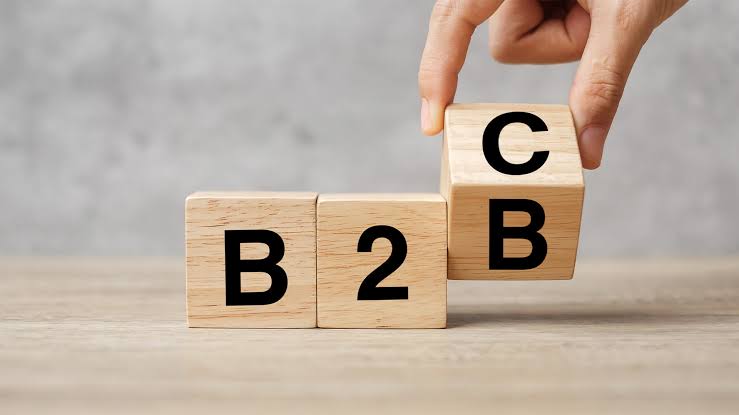
What is B2B and what is B2C?
These terms are simpler than they sound.
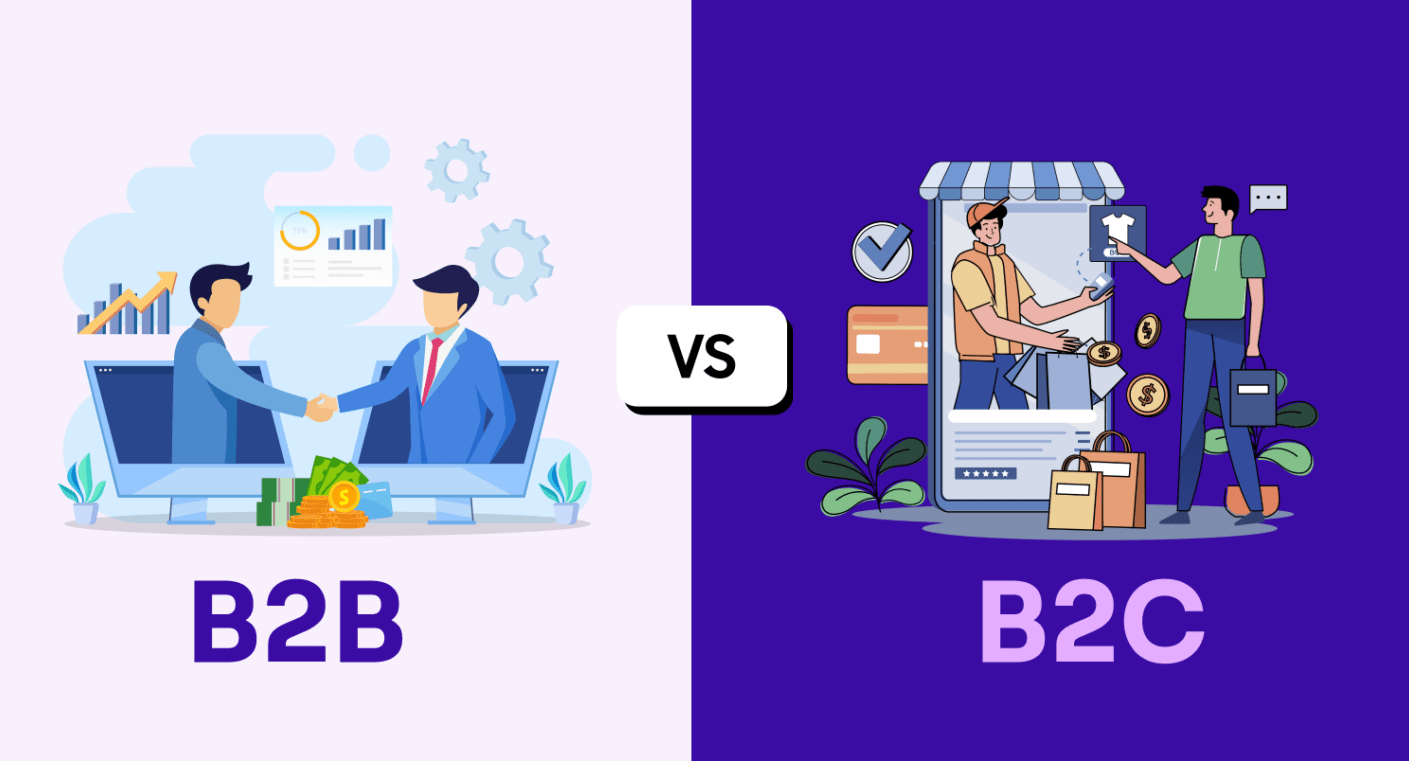
- B2B means Business to Business. You sell your food products or services to other businesses. Examples include a caterer supplying corporate lunches, a food producer selling wholesale to grocery stores, or a baker providing baked goods to cafes.
- B2C means Business to Consumer. You sell directly to individual customers. Examples include selling at a farmers market, running a meal prep delivery service, or taking direct orders through social media.
Some food businesses do both. That is completely normal, but it helps to know which one is your primary focus.
Why does it matter for your food business?
Your customer type affects almost every part of how you operate.
B2B customers usually order in larger volumes, pay on invoices, and expect consistent quality and reliable delivery schedules. They are less likely to find you on Instagram and more likely to ask for references, samples, or a formal proposal.
B2C customers make faster decisions, respond well to visuals and storytelling, and often discover you through social media, local markets, or word of mouth. They buy in smaller quantities but can become loyal, repeat customers.
Understanding which model fits your business helps you plan your production schedule, your storage needs, and how often you will need access to a commercial kitchen for rent in Vancouver BC.
How to figure out who your ideal customer is
Start by asking yourself a few simple questions.
What volume can you realistically produce?
If you are just starting out and renting a shared kitchen space part time, your production capacity is limited. B2C may be a better starting point because order sizes are smaller and more manageable.
What are you selling?
Packaged food products, sauces, or baked goods often do well in both B2B and B2C markets. Catering services are typically B2B. Meal prep and ready-to-eat foods can go either way depending on your delivery model.
Where do your best opportunities exist?
Talk to potential customers before you commit to a model. Visit local restaurants, cafes, or retailers and ask if they source from local producers. Attend farmers markets and observe what consumers are buying. Real conversations are more valuable than assumptions.
What kind of relationships do you want to build?
B2B means fewer clients but larger, more predictable orders. B2C means more customers, more direct feedback, and more variety. Neither is better. They just require different approaches.

B2B and B2C require different kitchen schedules
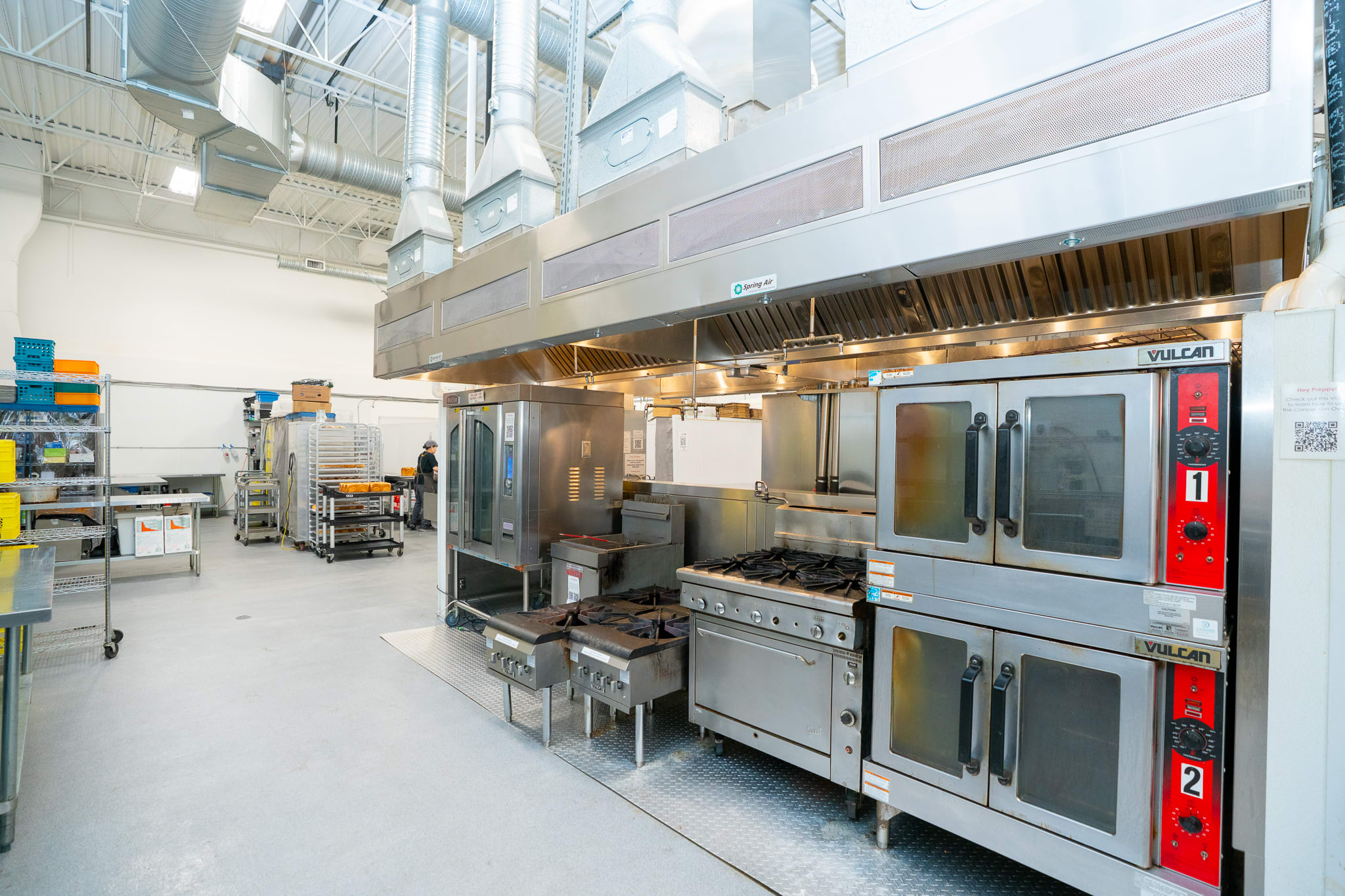
This is something many food entrepreneurs overlook. Your customer model directly affects how you use your commercial kitchen for rent.
B2B businesses often need consistent, recurring access to a production kitchen to fulfill regular orders on schedule. A membership at a commissary kitchen in Vancouver makes sense for this model, as it provides reliable, ongoing access to licensed kitchen space and storage space for inventory.
B2C businesses, especially those selling at markets or pop-up events, may need short-term rentals for specific production runs. Temporary rental access to a shared kitchen is often the most practical and cost-effective option.
Final Thoughts
Knowing whether you are a B2B or B2C food business is not just a marketing exercise. It is a practical decision that affects your pricing, your production schedule, and the kind of commercial kitchen space you need.
Start with clarity on who your customer is, and everything else becomes easier to plan.
When you are ready to move into a professional food preparation space, YVR Prep offers both membership options and temporary rental access to support food businesses at every stage.
Ready to take the next step?
Book a tour at YVR Prep and join a commissary kitchen
built for growing food businesses.