
Most food entrepreneurs are skilled at making great products. Marketing is a different skill, and it can feel overwhelming when you are already managing production, orders, and logistics on your own.
The good news is that you do not need to do everything at once.
Start with one or two channels, do them consistently, and build from there. Here we explain how to do it.
You do not need a big marketing budget to grow a food business. What you need is consistency, clarity, and a willingness to show up where your customers already are. For food entrepreneurs renting space in a shared kitchen Vancouver or just starting out in a commissary kitchen, smart low-cost marketing can make a real difference in how quickly your business grows.
1. Start With a Clear Message
Before posting on social media or setting up a market stall, get clear on what makes your food business different.
Ask yourself:
- What do I sell and who is it for?
- Why would someone choose me over another option?
- What do I want people to remember about my business?
A clear, simple message is easier to communicate and easier for customers to share with others.


2. Use Social Media Consistently
Social media is one of the most accessible and cost-effective tools available to small food businesses. You do not need professional equipment or a large following to get started.
A few practical tips:
- Post regularly - Two to three times per week is enough to stay visible. Consistency matters more than frequency.
- Show your process - People connect with the story behind the food. Show your prep work, your food preparation space, your packaging process, or a behind-the-scenes moment in the kitchen.
- Use local hashtags - Tags like #vancouverfood, #burnabyfood, or #vancouverfoodie help local customers find you.
- Engage with your audience - Reply to comments and messages. A small, engaged following is more valuable than a large, passive one.
Instagram and Facebook are particularly effective for food businesses because they are visual platforms. Good natural lighting and a clean background are often all you need for an appealing photo.
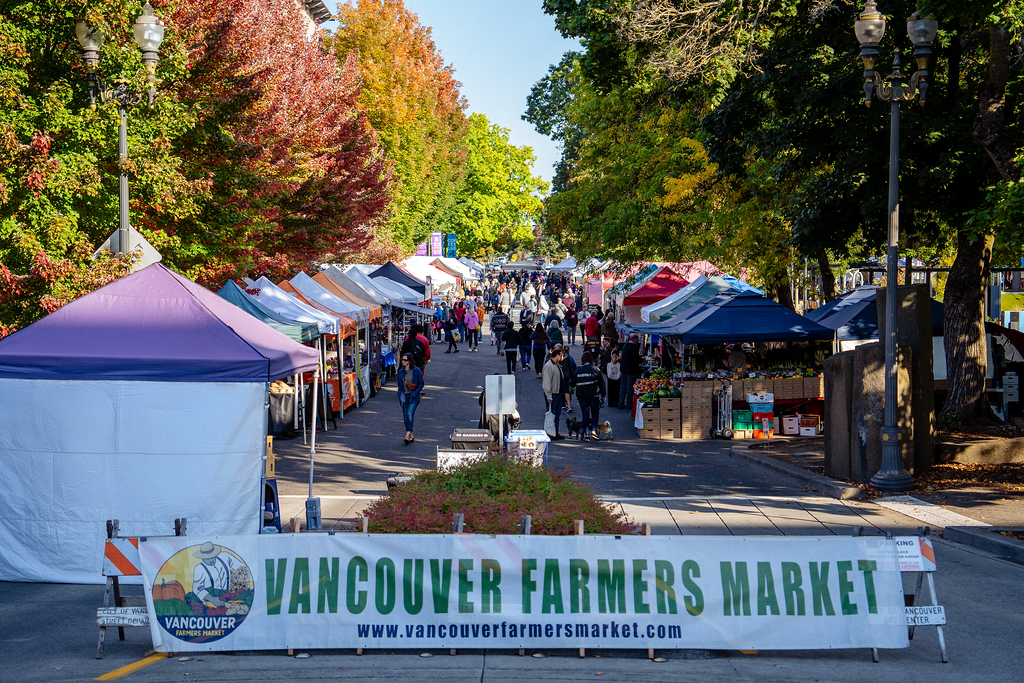
3. Sell at Farmers Markets and Local Events
Farmers markets are one of the most powerful marketing tools available to food entrepreneurs in Vancouver. They put your product directly in front of customers who are already looking for local, quality food. Beyond sales, markets give you:
- Direct feedback on your product
- Face-to-face relationship building
- Visibility with potential wholesale buyers and collaborators
If you are preparing for a market or pop-up event, a temporary rental at a commercial kitchen for rent in Vancouver is a practical and affordable way to handle your production run without committing to a long-term space.

4. Build Word of Mouth Intentionally
Word of mouth is the oldest and most trusted form of marketing. For food businesses, it is also one of the most effective. Here is how to encourage it
- Ask satisfied customers to leave a Google review. A few genuine reviews can significantly improve your visibility in local search results.
- Offer samples. At markets, events, or even to local businesses, a sample is often the fastest way to convert a curious person into a paying customer.
- Partner with complementary businesses. A baker might collaborate with a local coffee shop. A caterer might connect with an event planner. These relationships expand your reach without any advertising spend.
5. Build a Simple Online Presence
You do not need a complex website to start. But you do need somewhere to send people when they want to learn more or place an order. At minimum, make sure you have:
- A business profile on Google (Google Business Profile is free and helps with local search)
- A consistent social media presence with your contact information clearly visible
- A simple way for customers to place orders or get in touch
As your business grows, a basic website with your story, your products, and a contact form will support your credibility and help new customers find you.
6. Focus on One Channel at a Time
One of the most common mistakes small food businesses make is trying to be everywhere at once. It leads to inconsistency, which works against you.
Pick the channel where your ideal customer spends the most time. If you sell at markets, focus on Instagram and word of mouth first. If you are targeting B2B clients like cafes or retailers, a direct outreach strategy and a professional email may serve you better than social media.
Do one thing well before adding another.

Final Thoughts
Marketing a food business on a small budget is entirely possible. It requires clarity about who you are selling to, consistency in how you show up, and patience as you build your reputation over time. The food entrepreneurs who grow steadily are not always the ones with the biggest budgets. They are the ones who show up consistently, communicate honestly, and make their customers feel valued.
Ready to take the next step?
Book a tour at YVR Prep and join a commissary kitchen
built for growing food businesses.