
Why this choice matters
The right option helps you plan your time, your costs, and your production. Before you decide, think about:
- How often you need a production kitchen
- How much storage space your products need
- Whether your orders are regular or seasonal
- Where your business will be in the next six months
What is a Membership?
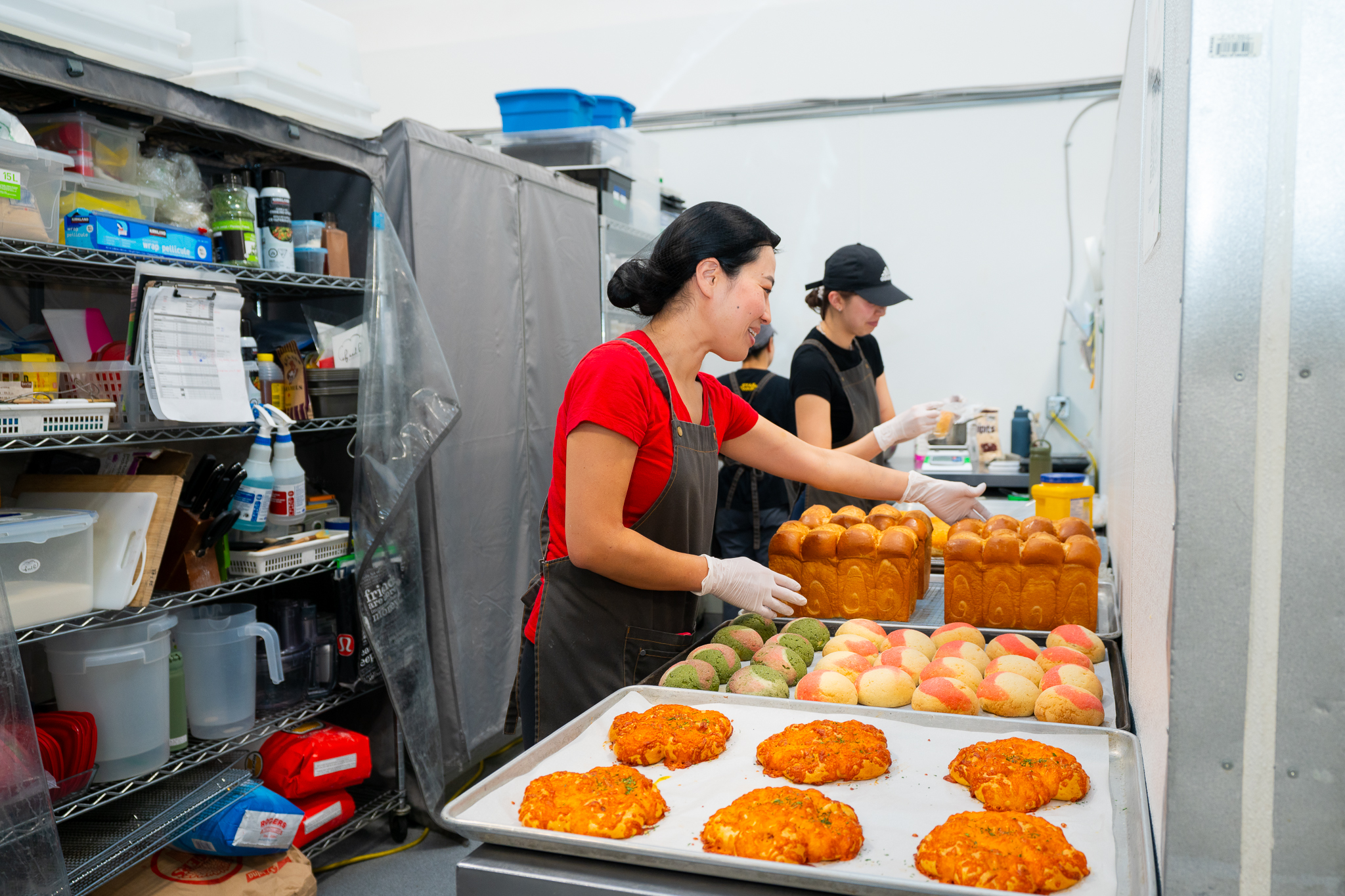
A membership gives your food business regular access to a shared kitchen in a licensed, professional setting. It works well when you produce on a steady schedule.
Membership options are a good fit for:
- Caterers who prepare food every week
- Food producers who supply cafes, stores, or restaurants
- Cottage food businesses that are ready to scale
- Established food businesses that need reliable food production space
What is a Temporary Rental?
A temporary rental gives you a production kitchen for a specific need. You use the space when you need it, without a regular schedule. YVR Prep offers short-term rentals in Burnaby for these situations.
Temporary rental is a good fit for:
- Vendors preparing for farmers markets
- Food businesses getting ready for festivals or pop-ups
- Special events that need a larger production run
- Product testing and recipe development before a launch
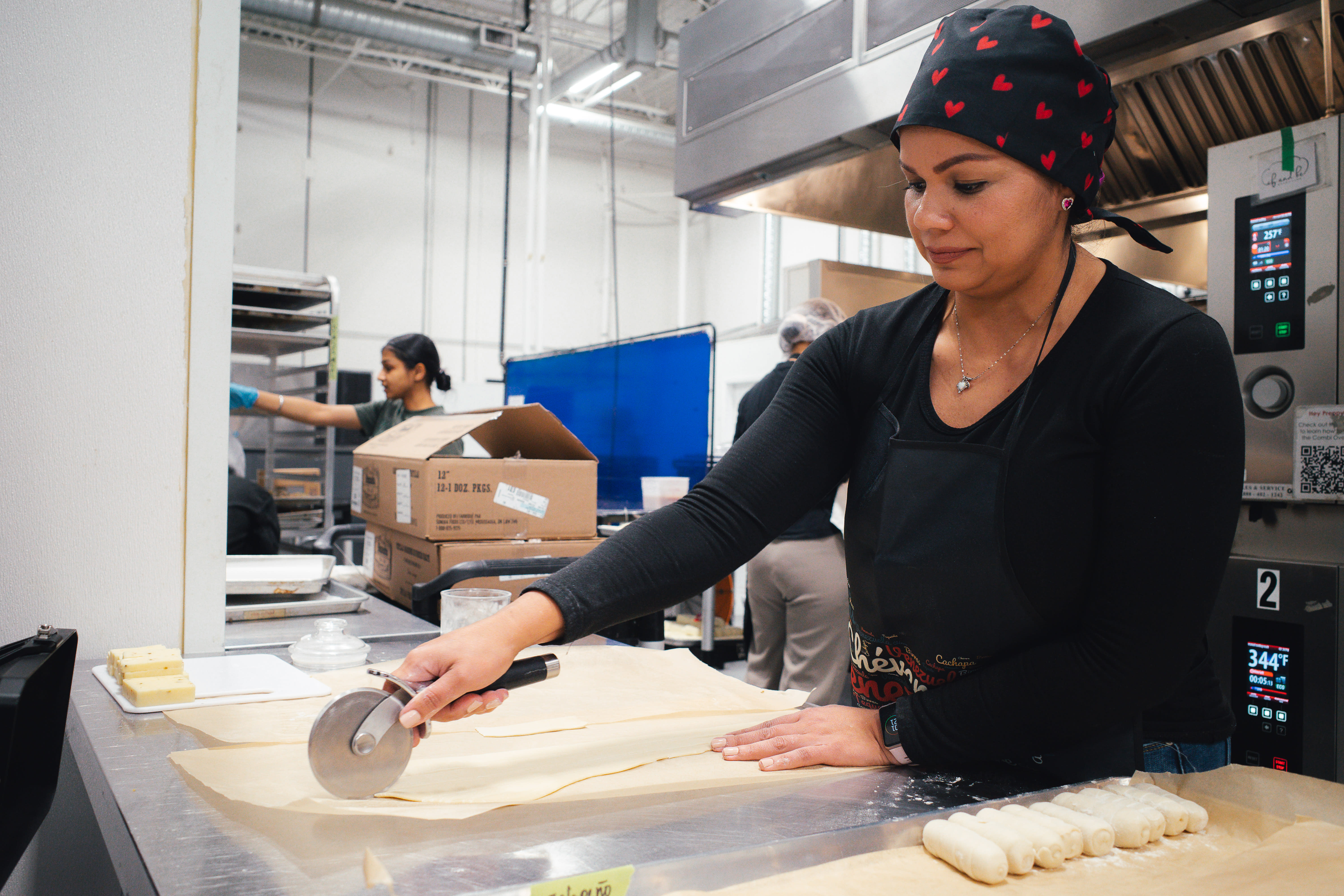
If you are still testing your idea, a temporary rental lets you work in a licensed kitchen without a regular commitment.
How to choose: four simple questions
Ask yourself these questions to find the right fit.
1. How often do you need to produce?
If you cook every week, membership is likely the better fit. If you cook a few times a year, think about temporary rental.
2. Are your orders regular or seasonal?
Regular orders from cafes or catering clients need a steady production schedule. Seasonal or event-based sales often fit short-term rentals.
3. How much space do you need for ingredients and finished products?
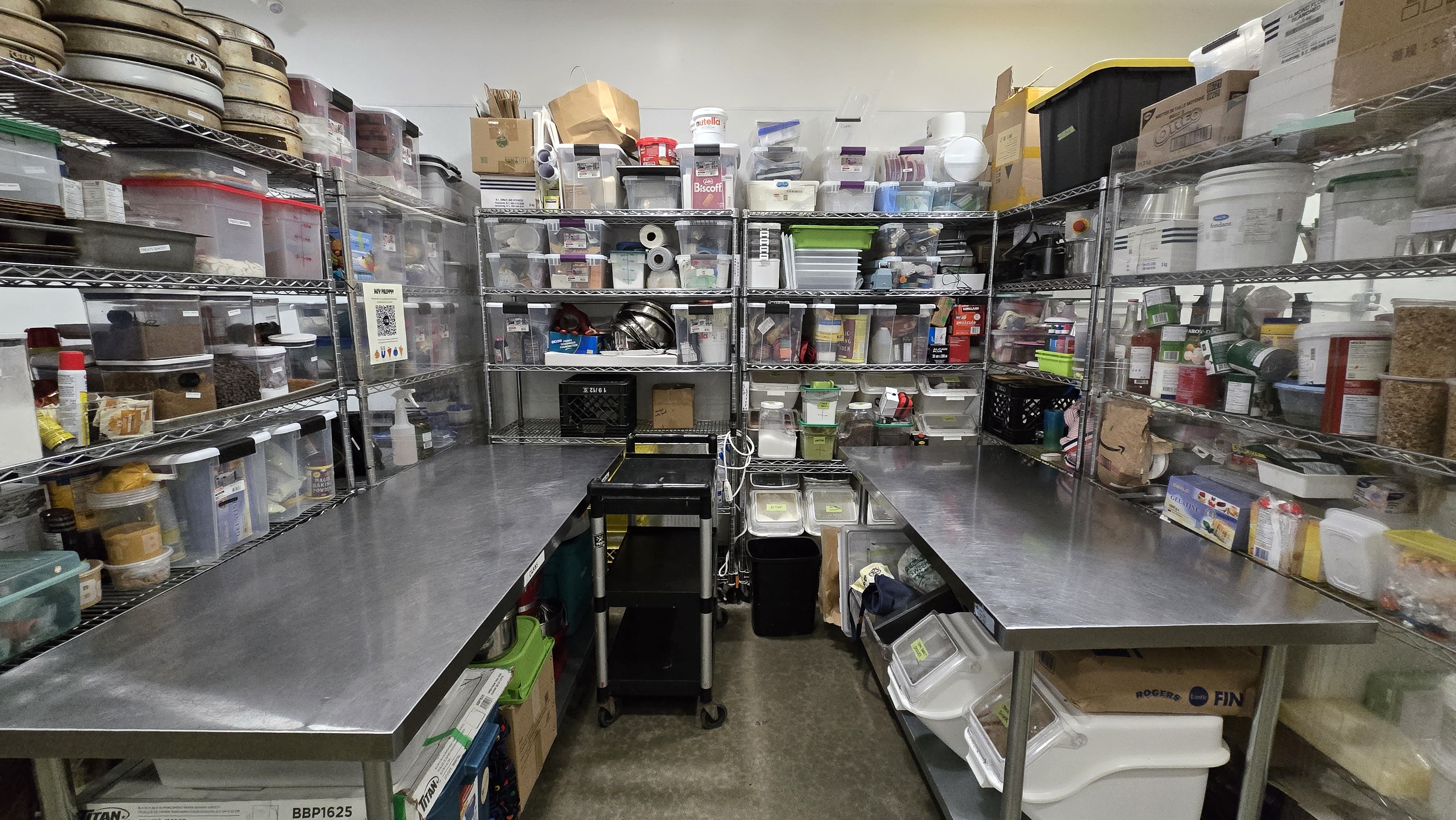
If you store ingredients and products between production days, ask about storage space for dry, refrigerated, and frozen items.
4. What stage is your business in?
Early-stage founders who are testing a product may start with a temporary rental. Businesses with growing demand may be ready to explore membership.

You can start with one and move to the other
Many food businesses do not stay in one place. A vendor may begin with short-term rentals for markets, then move to membership as orders grow. A member may later use a temporary rental for a large event order.
You do not need to have every answer today. Our team can help you understand which option fits your business after reviewing your intake form.
What to prepare before you reach out
A little preparation makes the process easier. It helps to know:
- What products you make
- How often you plan to produce
- What equipment you need
- Who your customers are
Final thoughts
Membership gives you regular access for steady production. A temporary rental gives you a production kitchen for events, markets, and product testing. Neither option is better than the other. The best choice is the one that matches your business today. If you are looking for a commercial kitchen for rent in Vancouver BC, knowing your production needs is the first step.
Ready to take the next step?
Book a tour at YVR Prep and join a commissary kitchen
built for growing food businesses.